When You Need a Professional Tree Inspection in New York
Trees provide environmental benefits and can increase property values, but they require proper care to remain healthy and safe. In Hudson Valley's environment, trees face challenges including pollution, compacted soil, limited growing space, and severe weather that can affect their health and stability. Professional arborist consultation helps identify potential problems early, while certified tree diagnosis services can determine the best course of action when trees show signs of stress or disease.
Key Takeaways
- Tree inspections help identify structural defects before they become safety hazards
- Certified arborists can detect early signs of disease and pest problems that homeowners often miss
- Regular inspections allow you to address tree problems while treatment options remain available
- Any work on or around street or park trees requires permits from NYC Parks
- Storm damage assessment requires professional expertise to identify trees that may fail later
- Early detection saves money compared to emergency tree removal or property damage costs
Recognizing When Your Trees Need Professional Assessment
Visible Signs of Structural Problems
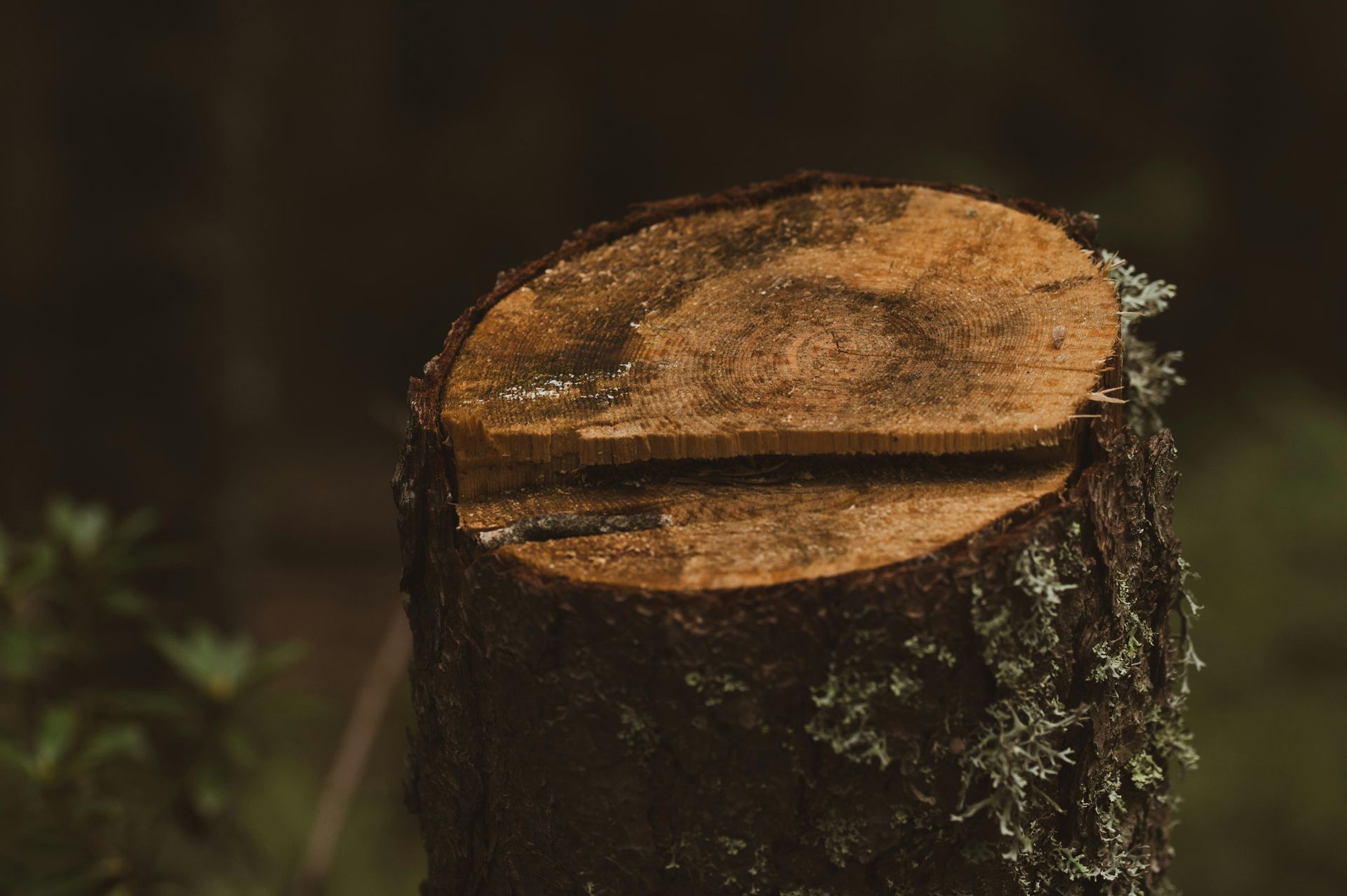
Professional tree inspection becomes necessary when you notice structural issues that could indicate failure potential. Vertical cracks can be caused by a variety of reasons and may be associated with decay and the site of potential tree failure, while horizontal cracks indicate that the tree is already failing and should be removed as soon as possible.
Warning signs that require professional evaluation:
- Trunk damage - Deep cracks extending beyond bark, cavities, or loose bark areas
- Lean development - Trees that have started leaning, particularly after storms or construction
- Root exposure - Visible roots showing decay, damage, or girdling patterns
- Branch attachment issues - V-shaped joints that are more likely to fail under high stress
- Dead wood presence - Large dead branches or dying sections of the tree
Disease and Pest Indicators
Signs of a diseased tree include yellowing or wilting leaves, dark or sunken lesions on the bark, abnormal leaf drop, fungal growth, and dead branches. Tree diseases often develop slowly and can be hard to identify in early stages without training.
Common disease symptoms requiring professional diagnosis:
- Foliage changes - Spots, discoloration, or premature leaf drop outside normal seasons
- Bark problems - Cankers, oozing sap, or sunken and discolored bark areas
- Fungal growth - Mushrooms growing from trunk or root areas, indicating internal decay
- Insect activity - Sawdust accumulation at the base of trees or where branches meet the trunk, caused by beetles exiting from inside the trees
- Growth patterns - Stunted growth, branch dieback, or unusual trunk sprouting
Professional consultation becomes important when trees experience environmental stress. Urban trees face more threats than their forest counterparts. On top of disease, storms, and pests, they also face pollution, compacted soils, limited space, and physical damage.
Stress factors requiring assessment include construction impact from excavation or building work near trees, soil changes like compaction or grade modifications, chemical exposure from road salt or other substances, storm damage that may not be immediately visible, and conflicts with utility lines or infrastructure.
The Professional Tree Inspection Process
Initial Visual Assessment
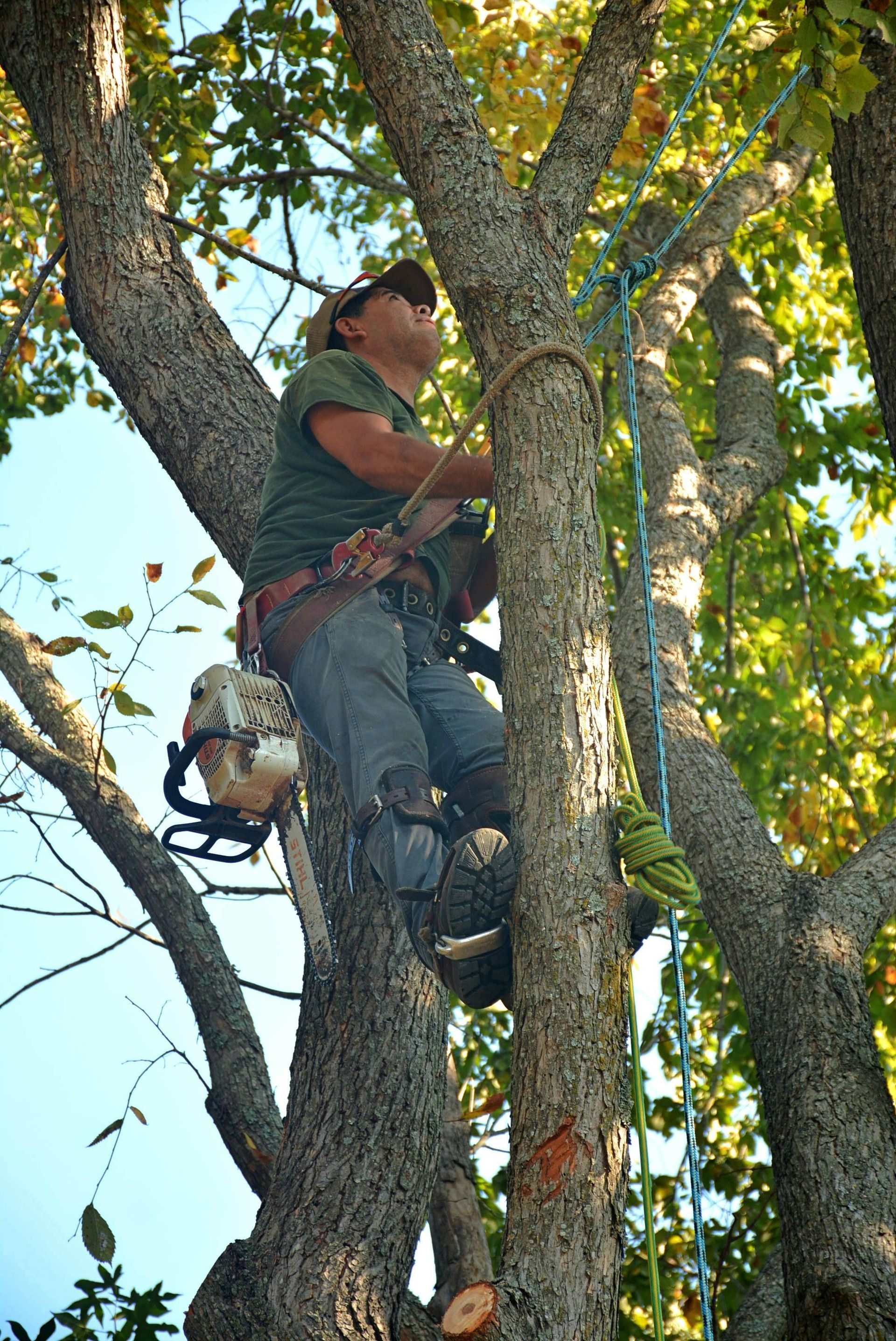
Certified arborists start with a thorough visual evaluation from multiple angles. This involves a more detailed, ground-level inspection. We walk around the tree, looking closely at its health and stability from all angles. We check for visible signs of decay, disease, and structural problems.
The visual inspection examines several key areas:
- Crown evaluation - Branch structure, leaf density, and overall canopy condition
- Trunk examination - Bark condition, structural integrity, and stress indicators
- Root collar assessment - Where roots meet trunk for stability signs
- Site conditions - Soil, drainage, and environmental factors
- Target analysis - What the tree could damage if it failed
Advanced Diagnostic Techniques
When the initial assessment reveals concerns, arborists may use specialized tools for deeper analysis. For advanced assessments, we might use sophisticated tools like resistance drilling to detect hidden decay, or even drones for a bird's-eye view of the tree's crown.
Advanced diagnostic methods include resistance drilling to detect internal decay not visible externally, sonic testing using sound waves to identify hollow trunk areas, root investigation through air excavation to examine root health safely, photographic documentation for monitoring changes over time, and soil analysis to test conditions affecting root health.
Risk Assessment and Safety Evaluation
Understanding Risk Categories
After our assessment, we categorize trees into clear risk levels. These categories help you quickly understand your tree's condition and decide on its future care. Professional arborists use standardized systems to classify tree risk levels.
| Risk Level | Description | Action Required |
|---|---|---|
| Low Risk | Healthy trees with minimal defects | Regular monitoring |
| Moderate Risk | Minor issues needing attention | Scheduled treatment |
| High Risk | Problems requiring prompt action | Immediate intervention |
| Extreme Risk | Imminent failure potential | Emergency action |
Legal Responsibilities and Documentation
Property owners in New York have legal responsibility for tree-related damage on their property. As a property owner, you're responsible for the safety of anyone on your property. Regular assessments help us spot hazards early.
Professional documentation helps establish maintenance records showing proper tree care, risk awareness through documented knowledge of potential hazards, compliance with industry standards for tree management, insurance considerations for coverage decisions, and legal protection through records of reasonable property maintenance care.
When Immediate Action is Required
Emergencies
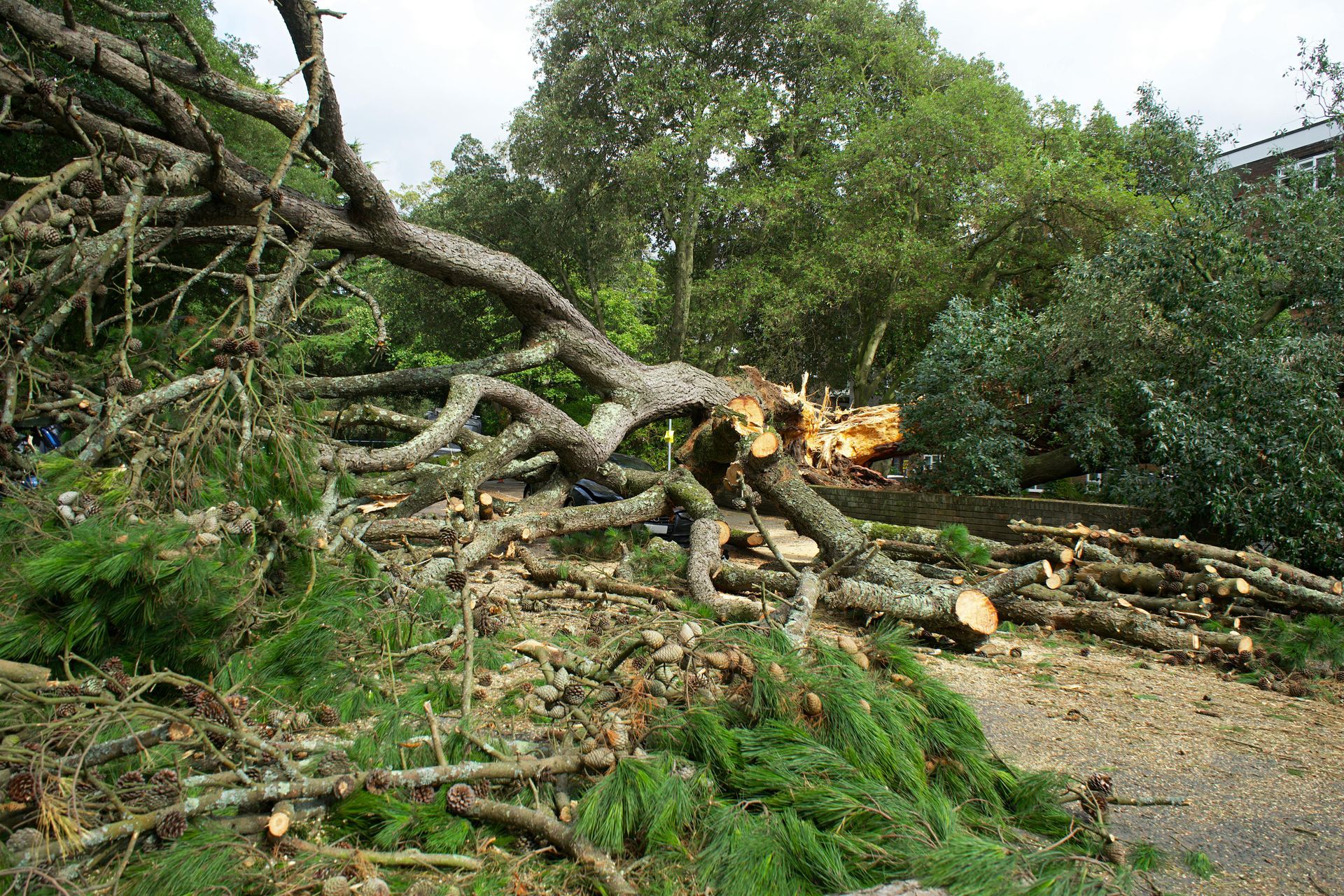
Certain conditions require immediate professional assessment and action. If new cracks appear, especially after a storm, inspection by a professional becomes critical.
Emergency inspection situations include storm damage with new cracks, lean, or structural changes, sudden symptom development like wilting or branch failure, infrastructure threats from trees leaning toward buildings or power lines, public safety concerns posing immediate risk, and visible instability showing potential failure signs.
Post-Storm Assessment
New York experiences severe weather that can compromise tree stability in hidden ways. Professional assessment after storms helps identify damage that could cause delayed failure.
Critical post-storm evaluation covers root system damage not visible from surface inspection, small fractures that may expand over time, branch stress from debris or partial breaks, soil disturbance affecting root system stability, and overall tree health assessment after stress events.
Choosing Professional Tree Services
Required Qualifications
When selecting tree inspection services, verify credentials and experience. Professional arborists should hold certifications and carry appropriate insurance.
Essential qualifications include ISA Certification from the International Society of Arboriculture, Tree Risk Assessment Qualification (TRAQ) for hazard evaluation, liability, and workers' compensation insurance coverage, local experience with New York tree species and conditions, and continuing education in current practices.
Service Expectations
Quality tree inspection services provide thorough evaluation with detailed reporting and clear recommendations. Professional arborists explain findings clearly and offer solution options when problems exist.
Professional service includes written reports with photographs and detailed findings, specific recommendations with timing and priority levels, multiple treatment approaches when problems are identified, follow-up scheduling for ongoing monitoring, and emergency procedures for urgent situations.
Regulatory Requirements in New York
Municipal Tree Regulations
The department shall inspect each tree under its jurisdiction over 6 inches in caliper, to determine if any issue threatens the health of such tree or causes such tree to pose a threat to public safety. New York City has specific regulations for tree work that property owners must follow.
You need a Tree Work Permit to work on or within 50 feet of a street tree. This applies to all individuals, businesses, and contractors working near city property trees.
Permit Requirements and Penalties
Persons failing to obtain the appropriate permits before engaging in work on or adjacent to city trees are liable to arrest and prosecution. Most violations are misdemeanors, punishable by a fine of up to $1,000 and/or imprisonment up to 90 days. Removing a tree without a permit and damaging trees are very serious offenses, punishable by a fine of up to $15,000 and/or imprisonment for up to one year.
Work requiring permits includes pruning, fertilizing, spraying, planting, installing decorations or guards, and removing or relocating existing trees.
Common Tree Health Problems in New York
Disease Issues
New York trees face several common diseases that require professional diagnosis and treatment. Dutch elm disease attacks the phloem of elm trees. It spreads primarily by the European Elm Bark Beetle but can also spread through root grafting between nearby elm trees.
Other common diseases include oak wilt, which affects many varieties of oak trees. It occurs due to a fungus that spreads through root systems or beetles that feed on infected sapwood, and anthracnose, which causes brown or black spots on leaves during spring and summer.
Pest Problems
If you suspect that any tree has an Asian long-horned beetle infestation, please call 1-877-STOP-ALB. This invasive pest poses a serious threat to New York trees and requires immediate reporting.
Signs of the Asian long-horned beetle include adult beetles with 1 to 1 1/4 inch-long bodies and 2-inch-long antennae. Another sign is sawdust accumulating at the base of trees or where branches meet the trunk, which is caused by beetles exiting from inside the trees.
Frequently Asked Questions
How often should I have my trees professionally inspected?
Arborists recommend performing tree assessments every three years. Trees showing signs of stress or those in high-risk locations may need more frequent evaluation.
What does a professional tree inspection cost?
Tree health assessment costs vary a lot. In general, you will be charged between $40 to $450 to assess tree health. Costs depend on property size, number of trees, and assessment complexity.
Can I inspect my own trees instead of hiring a professional?
A thorough examination by a certified arborist is the best way to identify if a tree is at risk of failure, even if it looks fine. Homeowners should observe their trees regularly, but professional expertise is needed for accurate risk assessment.
Do I need permits for tree work in New York City?
Any work on or around street or park trees, including pruning, fertilizing, spraying, planting, or removing, needs a permit from NYC Parks. Private property tree work may also require permits depending on local regulations.
What should I do if I think a city tree is dangerous?
If you think a city tree is dangerous and needs immediate attention, you can call 311 or submit an online request. A Parks forester will then inspect the tree and address the issue if needed.
Final Thoughts
Professional land clearing contractors prepare properties for safe development through systematic assessment, proper equipment use, and regulatory compliance. Their expertise in vegetation removal, grading, and environmental protection creates stable foundations for successful construction projects while minimizing risks and delays.
Ready to prepare your property for development? Contact our experienced land clearing contractors today for a professional site assessment and project quote.
Reference:
https://wwv.isa-arbor.com/certification/index
Share this article