Why Hiring "an Arborist Near Me" Protects Your Trees Long-Term
Trees require more than occasional trimming to remain healthy and safe. Professional arborists possess the training and equipment necessary to provide proper tree care services that extend tree lifespan and prevent costly problems from developing over time. Whether you need routine maintenance or emergency tree work, qualified professionals in your local service area can protect your valuable tree investments through expert care and proven techniques.
Key Takeaways
- ISA certification matters: Certified arborists pass comprehensive exams and follow ANSI A300 standards for proper pruning and tree care practices
- Early problem identification: Professional arborists diagnose diseases, pests, and structural issues before they become expensive emergencies
- Safety requirements: Tree work ranks among the most dangerous professions, requiring specialized training and equipment for safe completion
- Proper pruning techniques: Incorrect pruning causes long-term damage, while professional techniques promote healthy growth and strong structure
- Preventive care saves money: Regular maintenance costs significantly less than emergency tree removal or property damage repairs
- Species-specific knowledge: Different trees require different care approaches based on biology, growth patterns, and local conditions
Understanding Certified Arborist Qualifications
The International Society of Arboriculture certifies arborists who meet specific requirements. To earn certification, candidates must demonstrate work experience and pass comprehensive examinations covering tree biology, soil science, disease identification, and safety practices.
Certified arborists must:
- Complete years of hands-on tree care experience
- Pass examinations on tree biology, pruning, disease identification, and safety standards
- Maintain continuing education credits to keep certifications current
When searching for an arborist near me, verify certification through the International Society of Arboriculture website. Many local "arborist near me" services offer free consultations to assess specific tree care needs. The best arborists will provide proof of certification and explain their experience with local tree species.
Professional Tree Biology Knowledge
Arborists study tree biology extensively to understand growth patterns, disease resistance, and proper care timing. This knowledge differs significantly from general landscaping or basic trimming services.
Professional arborists understand:
Tree Growth and Structure
- How trees compartmentalize wounds and heal properly
- Root system development and soil requirements
- Branch attachment strength and failure points
- Seasonal growth cycles that affect pruning timing
Species-Specific Requirements
- Oak trees require different pruning schedules than maples
- Evergreens need distinct care approaches compared to deciduous trees
- Native species versus non-native care requirements
- Disease susceptibility patterns by tree type
Environmental Factors
- Soil pH and drainage impacts on tree health
- Local climate stresses and adaptation strategies
- Urban environment challenges like soil compaction
- Construction damage assessment and mitigation
A professional arborist near me understands local growing conditions and can identify problems specific to your area's climate and soil conditions.
Disease and Pest Identification
Certified arborists receive training to identify numerous tree diseases and pest problems that homeowners typically cannot recognize until significant damage occurs. Early identification allows for treatment options that may save trees and prevent spread to other plants.
Common issues include:
Fungal Diseases
- Oak wilt spreads rapidly and kills trees within months if untreated
- Anthracnose causes leaf spots and defoliation in various species
- Root rot develops from poor drainage and soil conditions
- Powdery mildew affects young growth and overall tree vigor
Pest Problems
- Emerald ash borer kills ash trees throughout affected regions
- Scale insects weaken trees by feeding on plant fluids
- Boring beetles create entry points for disease organisms
- Spider mites cause leaf damage during hot, dry periods
Environmental Stress
- Drought stress makes trees vulnerable to other problems
- Salt damage from winter road treatments affects roadside trees
- Construction damage to root systems causes delayed decline
- Soil compaction prevents proper root growth and water uptake
Regular inspections by qualified professionals can identify these problems before they cause permanent damage or require tree removal.
Proper Pruning Standards and Techniques
The American National Standards Institute publishes A300 standards that certified arborists follow for proper pruning. These standards prevent damage while promoting healthy growth and strong tree structure.
Crown Cleaning removes dead, dying, and diseased branches while maintaining the natural tree shape. This technique improves tree health by eliminating entry points for diseases and pests.
Crown Thinning selectively removes branches to improve air circulation and reduce wind resistance. Proper thinning maintains tree structure while reducing storm damage risk.
Crown Reduction reduces tree height or spread by cutting back to lateral branches. This technique requires careful selection of cut locations to prevent topping damage.
Structural Pruning develops strong branch architecture in young trees and corrects structural problems in mature specimens. Proper structural pruning prevents future hazards and extends tree life.
Improper pruning techniques like topping, flush cuts, and excessive removal can cause permanent damage that makes trees more susceptible to disease and structural failure.
Safety Requirements and Risk Management
Tree work involves working at height with dangerous equipment near power lines and structures. Professional arborists complete safety training and use specialized equipment to perform work safely.
Required Safety Equipment
- Climbing gear rated for tree work loads
- Hard hats, eye protection, and hearing protection
- Chainsaw safety equipment, including protective chaps
- Rigging equipment for controlled branch removal
Training Requirements
- Proper climbing techniques and equipment inspection
- Electrical hazard awareness near power lines
- Equipment operation and maintenance procedures
- Emergency response and first aid training
Insurance and Liability
Licensed arborists carry liability insurance and workers' compensation coverage. This protection covers property damage and worker injuries that can occur during tree work.
When hiring a professional arborist near me, verify current insurance certificates and safety training documentation before work begins.
Cost Comparison and Financial Benefits
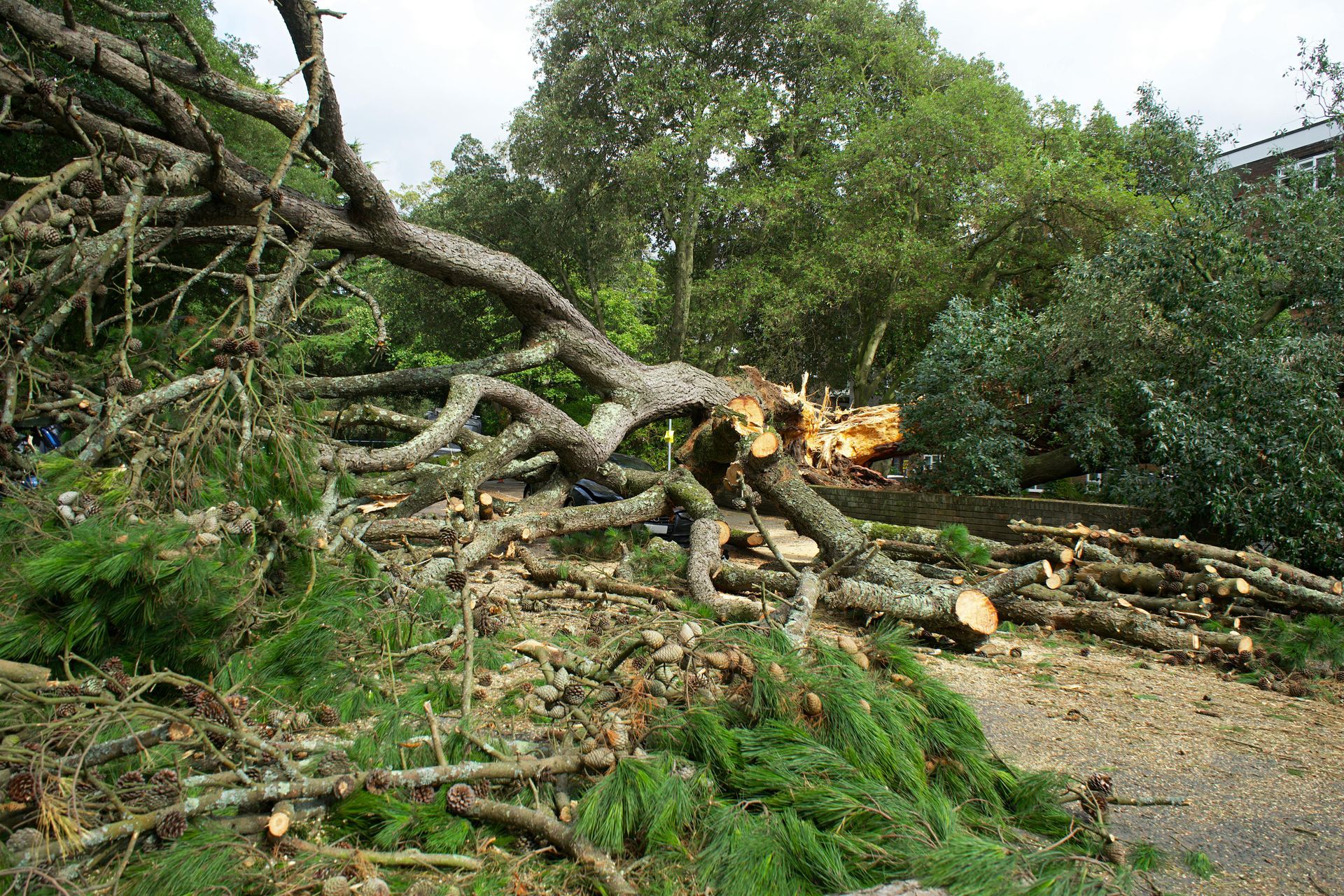
Professional tree care requires upfront investment but typically costs less than dealing with problems after they develop. Emergency tree removal and property damage repairs cost significantly more than preventive maintenance.
Typical Service Costs
Based on industry data, common services cost:
| Service Type | Cost Range | Notes |
|---|---|---|
| Tree inspection and consultation | $100-250 | Annual inspections recommended |
| Standard pruning | $200-900 per tree | Varies by tree size and complexity |
| Tree removal | $385-1,070 | Average specimens, excludes very large trees |
| Deep root fertilization | $100-300 per tree | Applied during growing season |
| Pest control treatments | $35-55 monthly | Ongoing treatment programs |
| Emergency services | $1,000-5,000+ | Storm damage, after-hours calls |
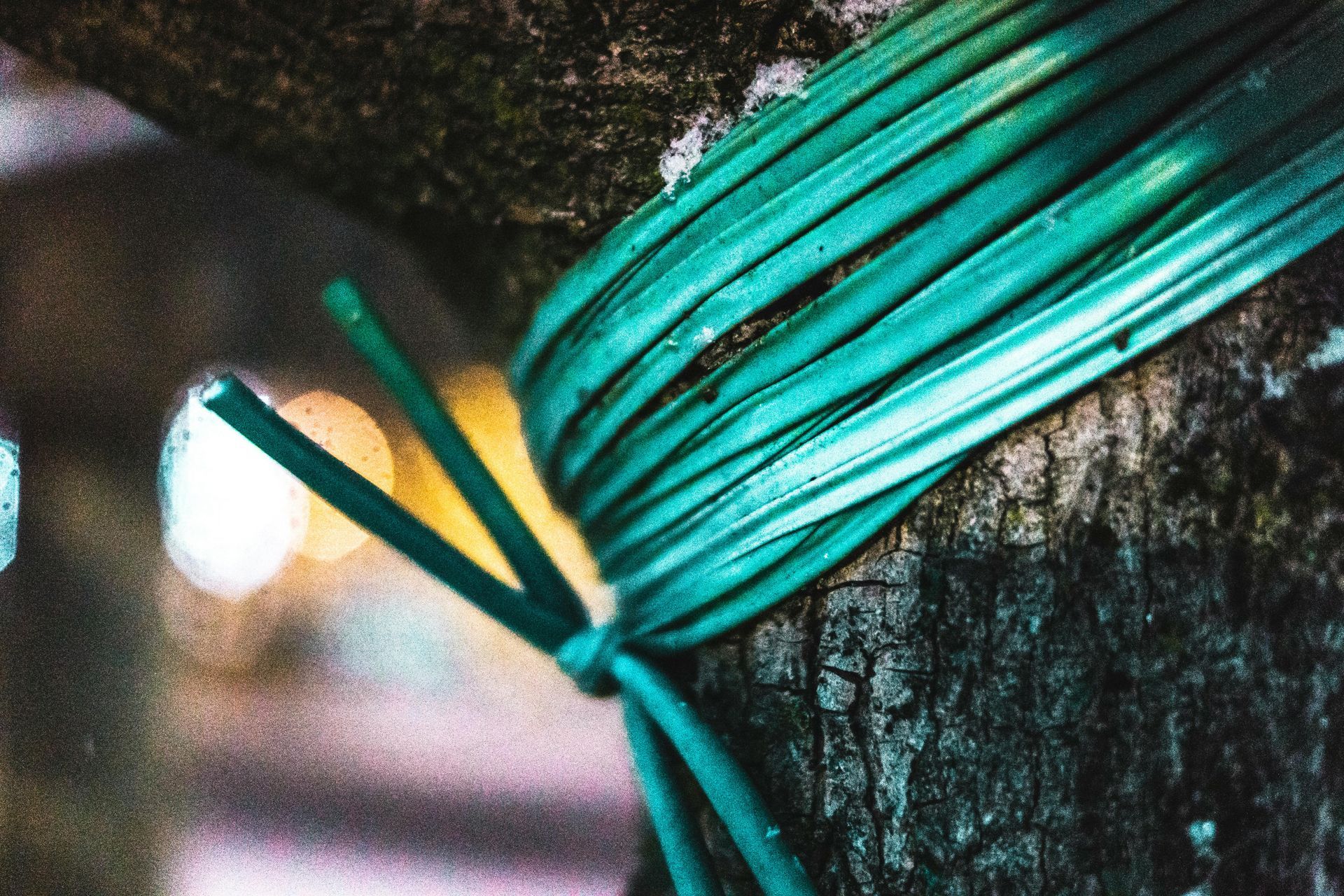
| Cabling and bracing | $150-450 | Structural support installation |
Cost Prevention Benefits
Regular maintenance prevents costly emergencies. Professional tree care addresses problems before they require expensive solutions or cause property damage.
Preventive care eliminates:
- Emergency removal costs during storms can range from $1,000 to $5,000 or more
- Property damage from falling branches or trees that may cost tens of thousands in repairs
- Insurance claims and potential liability issues from tree-related accidents
- Complete tree replacement costs for preventable tree deaths
- Utility service interruptions from trees contacting power lines
- Landscaping restoration after emergency tree work damages surrounding plants
Property Value Impact
Healthy trees contribute to property values through improved appearance and energy savings from shade. Mature trees can add thousands to property value when properly maintained, while diseased or hazardous trees can detract from value and create liability concerns.
Well-maintained trees provide:
- Reduced energy costs through strategic shade placement
- Enhanced curb appeal that attracts potential buyers
- Environmental benefits that many buyers value
- Privacy screening and noise reduction
- Habitat for wildlife that adds to property appeal
Equipment and Professional Standards
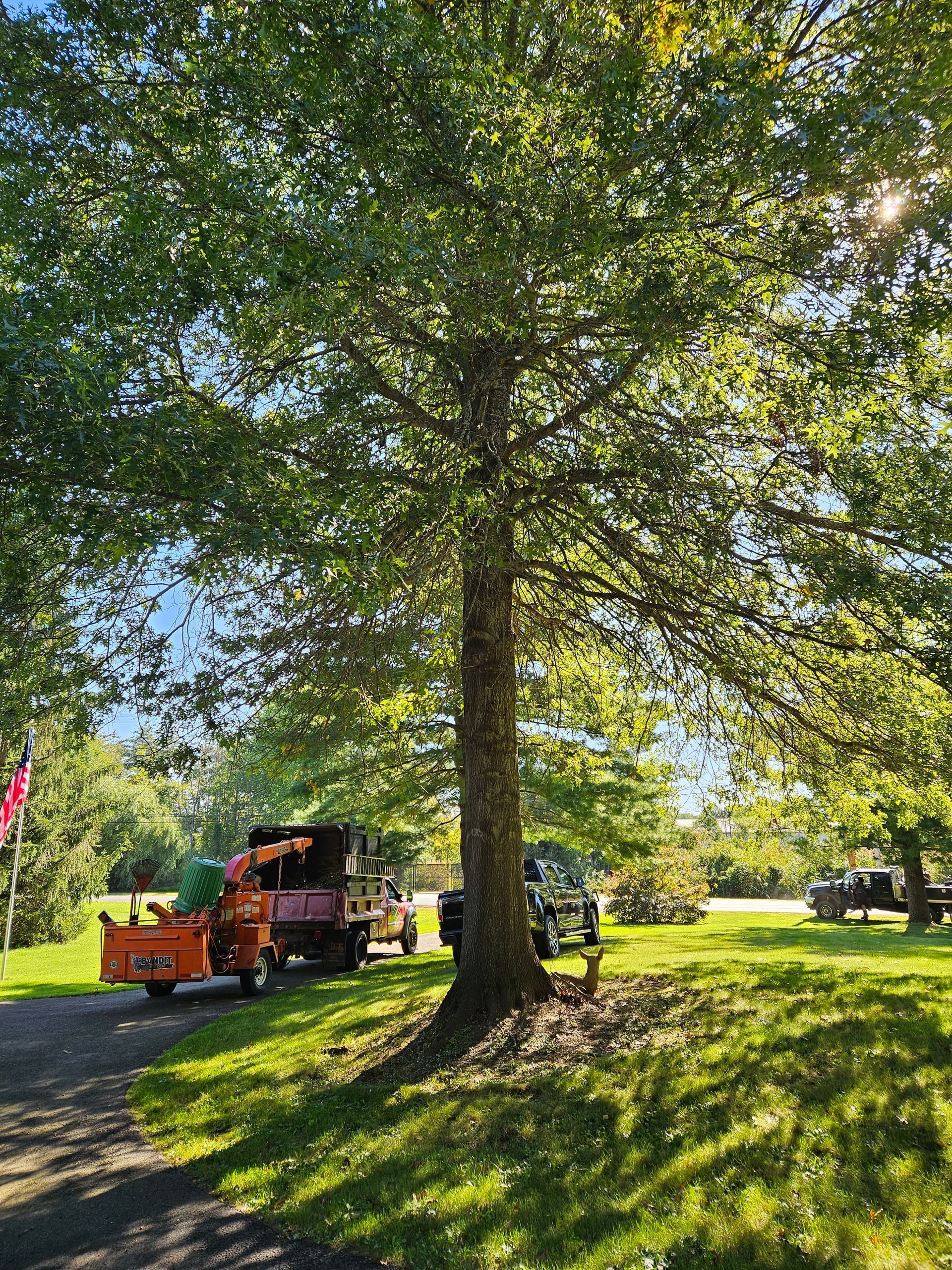
Professional arborists use specialized equipment that homeowners cannot safely operate. This equipment allows for safe, efficient work that protects both workers and property during tree care operations.
Professional equipment includes:
- Climbing gear designed specifically for tree work with proper load ratings
- Professional-grade saws and cutting tools for clean, precise cuts
- Bucket trucks for accessing tall trees safely without climbing damage
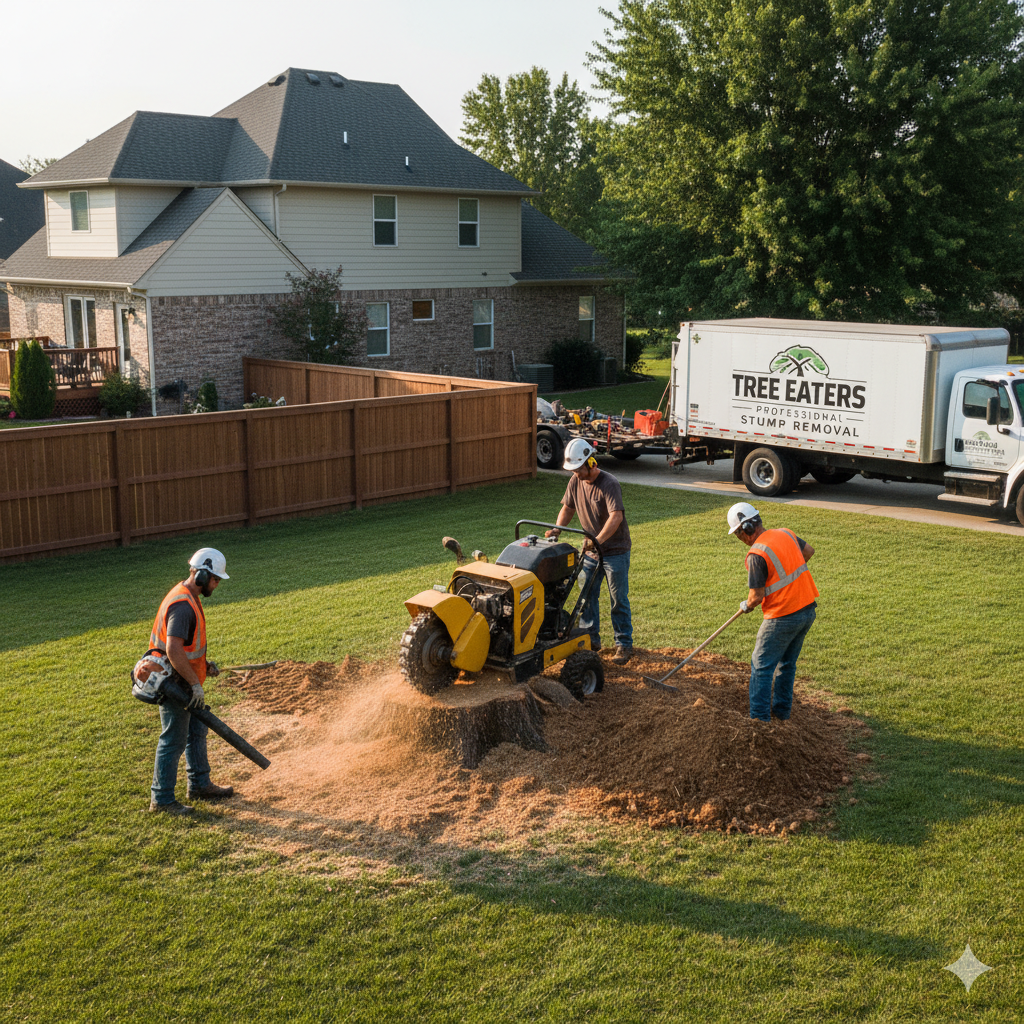
- Chippers for processing debris and stump grinders for complete removal
Regulatory Requirements
Many areas regulate tree work through permits and professional licensing. These regulations protect trees and public safety by ensuring qualified professionals perform dangerous work.
Common requirements include:
- Business licenses and contractor registration
- Workers' compensation and liability insurance coverage
- Specialized permits for work near electrical utilities
- Compliance with protected tree ordinances in many communities
Professional arborists understand local regulations and can navigate permit requirements. Many maintain relationships with local officials that help streamline the process for their clients.
Seasonal Care Requirements
Different tree care activities work best during specific seasons based on tree biology and local climate conditions. Professional arborists schedule work for maximum effectiveness while minimizing stress on trees.
Spring Activities
- Assess winter damage and remove broken branches
- Apply fertilizer during the active root growth period
- Begin pest monitoring as insects become active
- Plant new trees when soil conditions allow proper establishment
Summer Priorities
- Provide supplemental watering during drought periods
- Monitor for pest activity and disease development
- Perform minimal pruning to avoid heat stress
- Assess structural integrity before the severe weather season
Fall Preparation
- Complete major pruning before the dormant season
- Remove diseased leaves and debris to prevent overwintering pathogens
- Apply mulch for winter root protection
- Plan next year's maintenance activities
Winter Maintenance
- Prune most species during the dormant period
- Remove snow and ice loads from branches when necessary
- Plan spring activities and schedule services
- Inspect for animal damage or winter injury
Frequently Asked Questions
How often should I have my trees inspected by an arborist?
Most trees benefit from annual inspections to catch problems early. Trees with previous issues or in high-risk locations may need more frequent evaluations.
What's the difference between tree trimming and pruning?
Trimming typically refers to shaping for appearance, while pruning focuses on tree health and safety. Both require proper techniques to avoid damaging trees.
Can an arborist save a dying tree?
Early diagnosis often allows treatment options that can restore tree health. Success depends on the specific problem and how long it has been developing.
Do I need permits for tree work?
Many municipalities require permits for tree removal, especially for large trees or protected species. Check local requirements before starting work.
How much does professional tree care cost?
Costs vary based on tree size, services needed, and local rates. Basic consultations typically range from $100-250 while comprehensive care averages around $800 per job.
Final Thoughts
Professional arborists provide specialized knowledge and equipment that homeowners cannot replicate. Their training in tree biology, disease identification, and proper pruning techniques protects your investment while preventing safety hazards and costly damage.
Ready to protect your trees with professional care? Contact our certified arborists for a free consultation and personalized tree care plan that keeps your landscape healthy and beautiful year-round.
Reference:
https://treecareindustryassociation.org/business-support/ansi-a300-standards/
Share this article